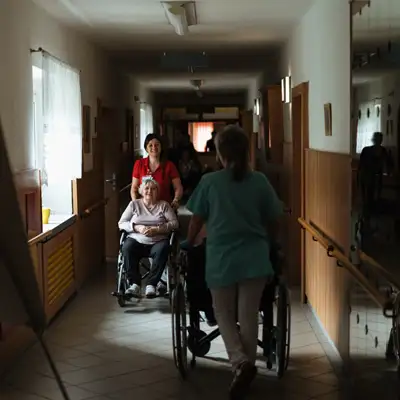
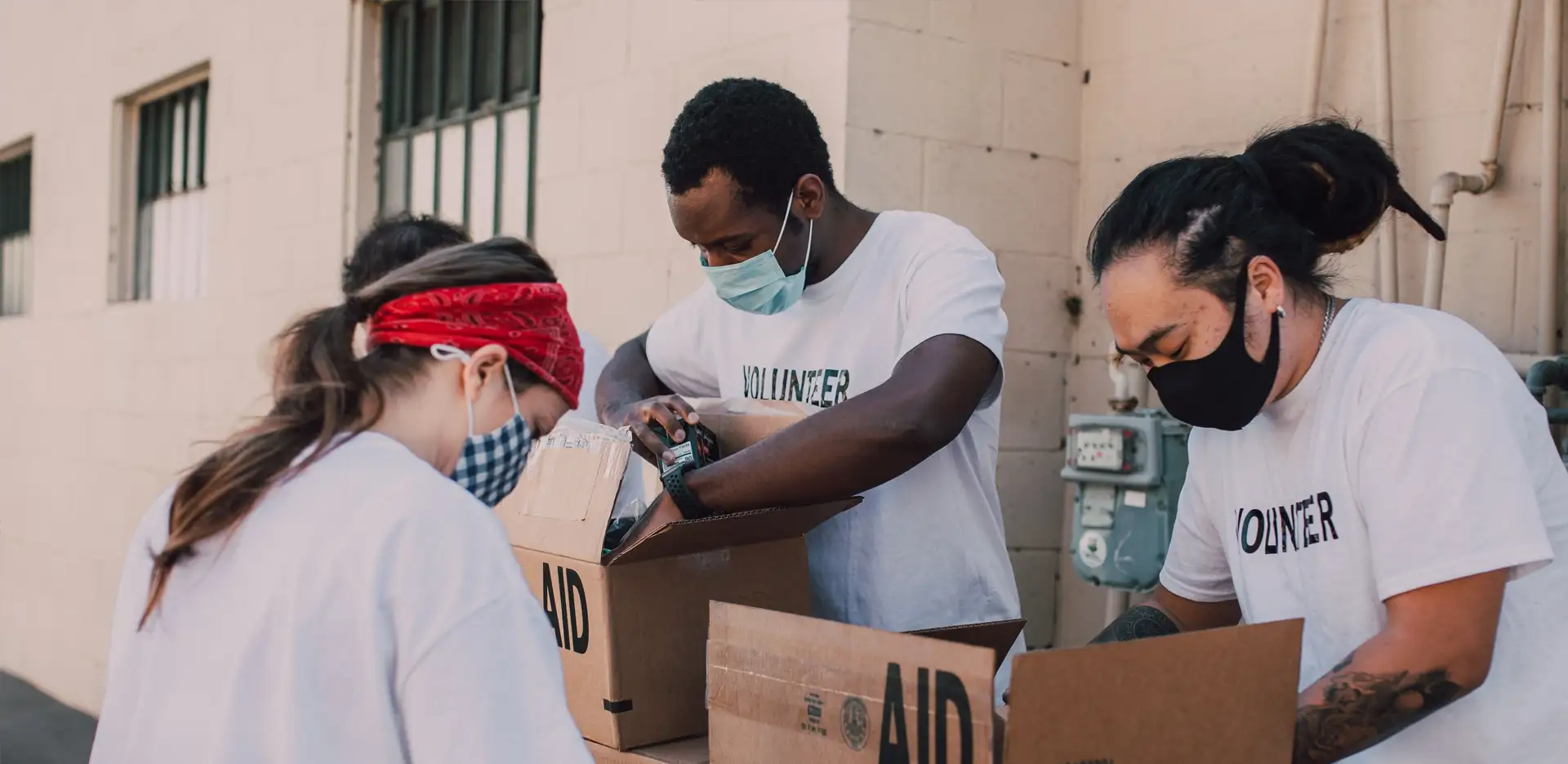
Nonprofits frequently operate with lean staffing, changing volunteer rosters and employees who work in offices, clients’ homes, schools, shelters or community events. That variety makes safety harder to manage. Rather than relying on informal practices or assuming people will use common sense, nonprofit leaders should build safety into everyday decisions, training and supervision.
Besides having strong written safety policies in place, nonprofits should ensure that:
- Leadership consistently emphasizes safety to staff and volunteers,
- Employees and volunteers receive appropriate training,
- Employees report accidents and near misses,
- Established procedures are followed consistently.
Understand your organization’s risks
Every nonprofit faces different exposures and safety programs should reflect the organization’s activities. The first step inputting together a program is to identify where employees and volunteers may be exposed to risk before an incident occurs.
For example, risks facing social service organizations often include client interactions, workplace violence, home visits, outreach activities and the need for de-escalation techniques. Community organizations that depend heavily on volunteers may face different challenges, including inconsistent supervision, limited training and injuries during events or recreational activities.
Even office-based nonprofits should focus on hazards such as slips and falls, ergonomics, driving and emergency preparedness.
Train everyone consistently
One of the biggest weaknesses in many nonprofits is inconsistent onboarding and training, particularly for volunteers. People may assume that experienced volunteers already know how to perform tasks safely or that certain precautions are simply common sense.
Instead, every employee and volunteer should receive orientation that covers their responsibilities, emergency procedures, reporting requirements and any job-specific hazards. Training should also be updated whenever duties change or new programs are introduced.
Organizations whose employees or volunteers drive as part of their work should also establish clear transportation policies covering driver qualifications, distracted driving, accident reporting and vehicle safety.
Encourage reporting instead of blame
A healthy safety culture depends on open communication. Employees and volunteers should feel comfortable reporting injuries, unsafe conditions and close calls without worrying about criticism or retaliation.
Near misses are particularly valuable learning opportunities because they can reveal weaknesses before someone is seriously hurt. Reviewing these incidents can help nonprofits improve procedures, strengthen training and prevent future losses.
Leadership should follow up on injury and near miss reports and share lessons learned across the organization. When people see their concerns addressed, they are more likely to work toward keeping everyone safe.
Demonstrate safety through leadership
Employees and volunteers take their cues from leadership. If managers consistently discuss safety during meetings, follow established procedures themselves and address hazards promptly, others are more likely to do the same.
Organizations with strong safety cultures often put a priority on:
- Providing documented training programs,
- Conducting background checks on volunteers,
- Clearly defining workers’ and volunteers’ roles,
- Ensuring appropriate supervision,
- Establishing written procedures, and
- Developing systems for tracking incidents.
Takeaway
Building a strong safety culture requires consistent leadership and attention to detail, but it doesn’t have to break the bank. Nonprofit leaders can strengthen safety by:
- Assessing the risks associated with each program and volunteer role.
- Providing formal onboarding and ongoing safety training. Encouraging employees and volunteers to report incidents and near misses.
- Reviewing incidents to identify ways to remediate the risks that caused an accident or near miss.
- Updating safety procedures as programs, locations and responsibilities change.
- Regularly reviewing insurance coverage to ensure it keeps pace with the organization’s growth and changing exposures.