
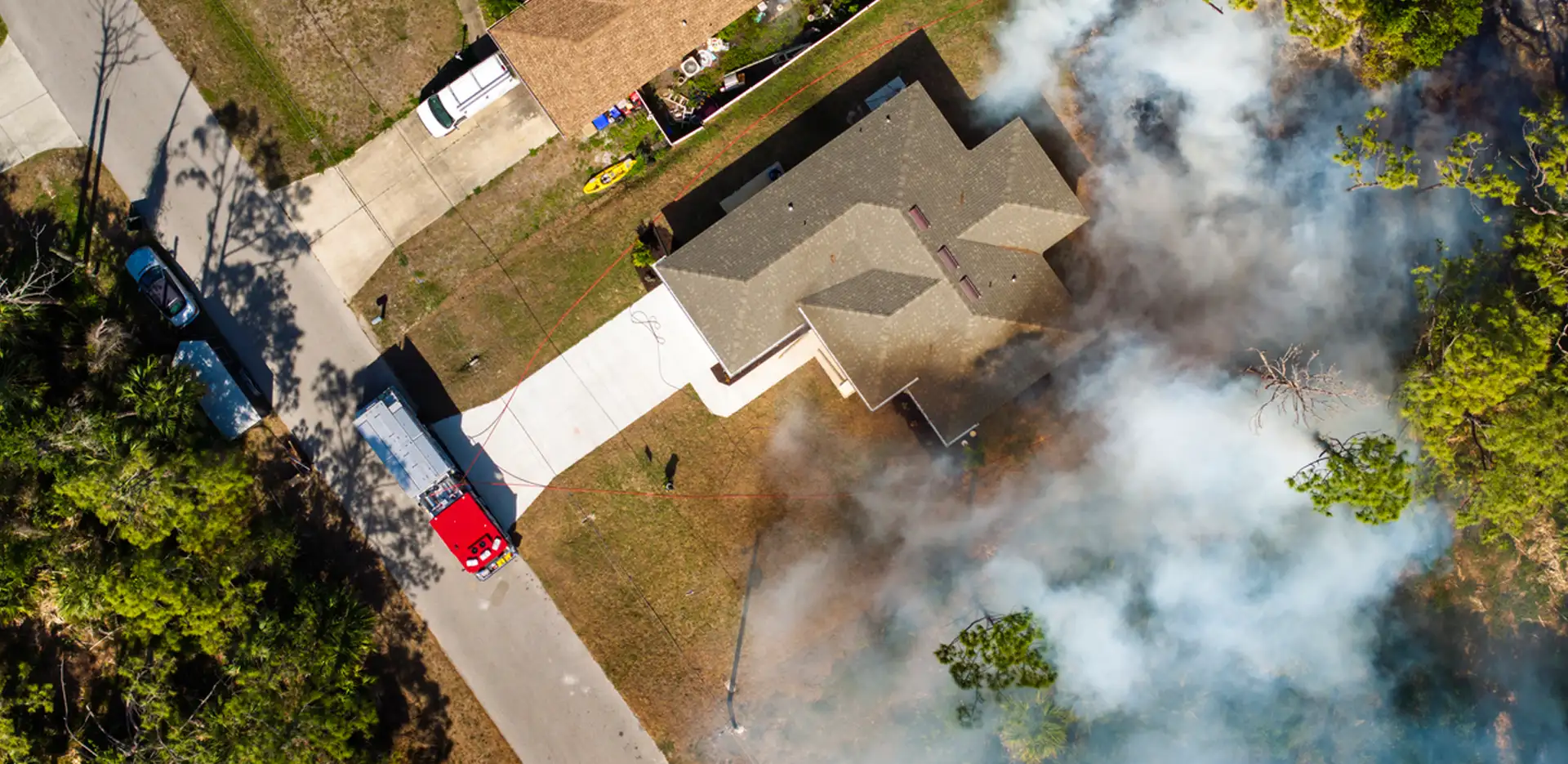
The market of last resort for homeowners cited mounting financial strain from years of rapid growth in FAIR Plan enrollment and large payouts from the 2025 Southern California fires. The proposed increase is an average across all California ZIP codes. Actual premium changes will vary depending on wildfire exposure and location. Some homeowners may see smaller increases, while those in high-risk wildfire zones could face steeper hikes.
The FAIR Plan says several factors are driving the proposed increase:
- Rapid growth in policyholders as private insurers pull back from wildfire-prone regions.
- Increased wildfire frequency and severity across California.
- Massive claims from the 2025 Southern California wildfires, including the Eaton and Palisades fires.
- Higher costs for reinsurance, which insurers buy to protect themselves from catastrophic losses.
- Increased concentration of insured properties in high-risk wildfire areas.
- The need to improve the Plan’s financial stability after concerns emerged about its ability to pay future catastrophic claims.
Areas seeing the largest increases
The FAIR Plan noted that the wildfire portion of premiums is the biggest driver behind the changes, meaning properties with the greatest wildfire exposure will generally see the steepest hikes.
Homeowners in wildfire-prone mountain and foothill communities are expected to see the largest premium jumps. For example, homeowners in Grizzly Flats in the Sierra Nevada foothills could see average annual premiums rise from roughly $2,700 to nearly $5,500. Other high-risk communities, including those in the East Bay hills, are also expected to face sizable increases.
Market reforms softened the increase
The amended filing is actually lower than the FAIR Plan’s original request.
Reforms under the state’s Sustainable Insurance Strategy now allow insurers to:
- Use forward-looking catastrophe models instead of only historical wildfire data.
- Include some reinsurance costs in premiums and better reflect wildfire exposure in pricing.
State regulators hope these changes will encourage more insurers to continue writing policies in California and reduce pressure on the FAIR Plan over time.
Some large insurers have already begun reentering the market or expanding coverage following the reforms, though availability remains limited in many high-risk regions.
How the FAIR Plan works
The California FAIR Plan was created to provide basic fire insurance coverage for homeowners who cannot obtain insurance through the traditional market.
However, the FAIR Plan is not a complete homeowner’s insurance policy.
Typically, FAIR Plan coverage only covers damage caused by fire, lightning, smoke and internal explosions. It generally does not include protections commonly found in standard homeowner’s policies, such as:
- Water damage
- Wind damage
- Damage from falling debris or trees
- Liability coverage
- Theft coverage
Because of these gaps, homeowners usually must purchase a separate Differences in Conditions policy from another insurer to obtain more complete protection.
Together, the FAIR Plan and a DIC policy can approximate traditional homeowner’s coverage, though often at a significantly higher cost.
For many Californians in wildfire-prone regions, however, the FAIR Plan has become the only available option as the state’s insurance market continues to struggle with the growing financial impact of catastrophic wildfires.