
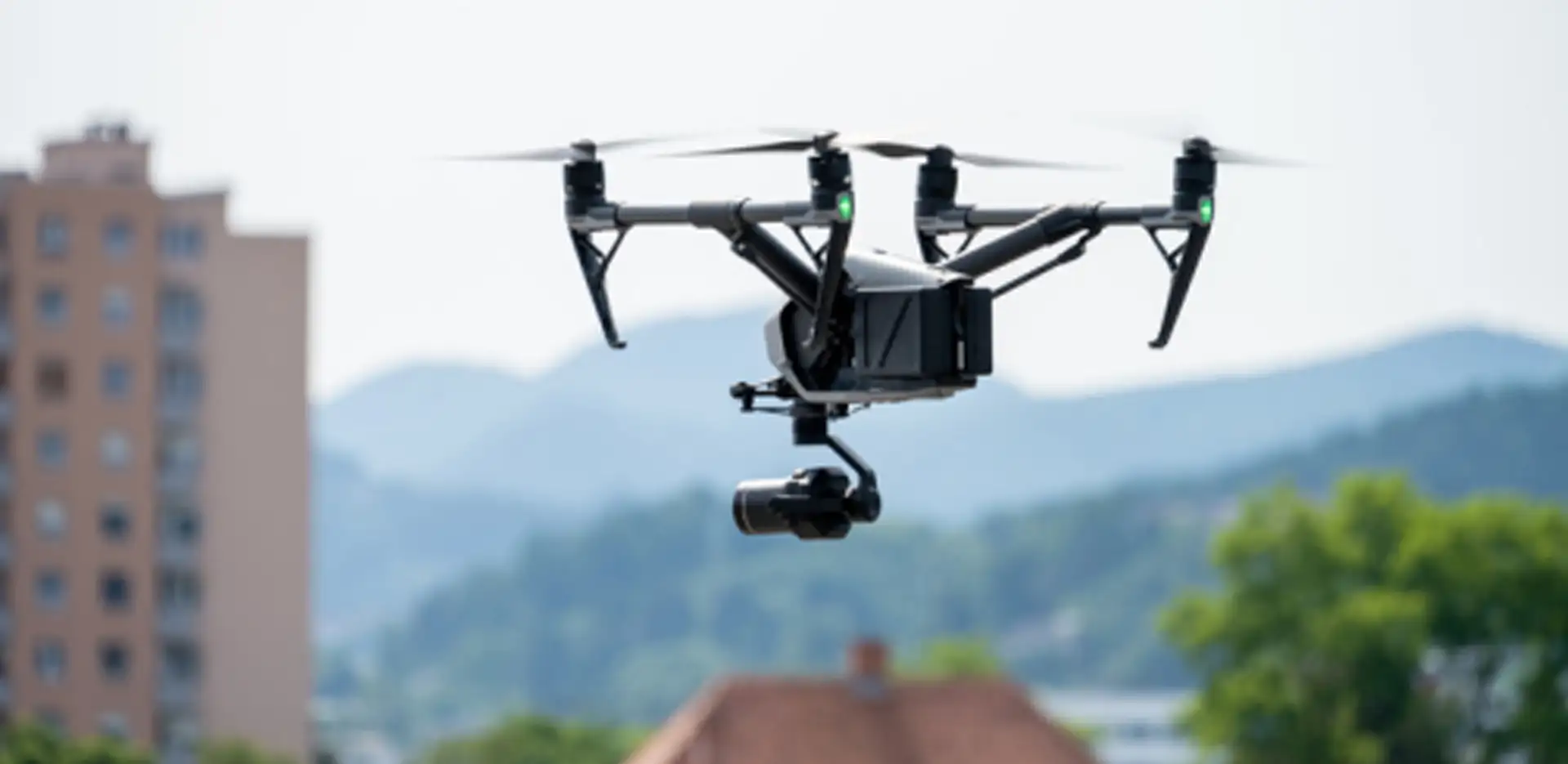
The technology allows insurers to examine thousands of properties without sending inspectors to each home. Artificial intelligence can analyze the images, identify potential problems and assign risk scores that may influence underwriting decisions.
While insurers say aerial inspections improve efficiency and safety, the practice has generated backlash from homeowners who have received nonrenewal notices based on photos taken without their knowledge. Here’s a look at this growing practice and the steps you can take if your insurer flags a risk on your property.
What insurers are looking for
Insurers increasingly use aerial imagery to evaluate new applications, review existing policies and investigate claims. The technology can help identify:
Roof deterioration:
Missing or curling shingles, discoloration, moss, standing water and sagging sections.
Fire hazards:
Overgrown vegetation, tree limbs hanging over roofs, accumulated debris and brush near structures.
Liability risks:
Swimming pools, trampolines, deteriorating outbuildings and other potentially hazardous features.
Property changes:
Additions, detached structures or other improvements that may affect insurance coverage.
During claims investigations, insurers may compare images taken before and after storms, wildfires or other disasters to determine whether damage existed before a reported loss.
What happens when problems are found?
An insurer that identifies a potential hazard may request repairs, require additional inspections, increase premiums or decline to renew coverage.
For example, a homeowner might be asked to trim overhanging trees, clear vegetation or repair deteriorating roofing to avoid nonrenewal.
Some insurers give policyholders time to correct problems and submit photographs or contractor documentation. Others may issue nonrenewal notices without first offering an opportunity to make repairs.
Requirements vary by insurer and state. A nonrenewal generally means coverage ends when the current policy expires, while cancellation terminates coverage earlier.
Aerial assessments are not foolproof. Shadows, stains, leaves and outdated photographs can make roofs appear damaged when they are not. Automated systems may also misidentify structures or overlook recent repairs.
How to challenge an insurer’s decision
If your insurer threatens to drop your coverage based on aerial imagery, consider these steps:
1. Request the evidence. Ask for the photographs, their dates and the specific conditions cited.
2. Document your property’s condition. Take photographs and gather receipts for completed repairs.
3. Get an independent inspection. A licensed roofing contractor or qualified inspector may be able to dispute inaccurate findings.
4. Request reconsideration. Submit your evidence and ask whether repairs or an on-site inspection could preserve coverage.
We can help you shop for replacement coverage if your insurer maintains its decision, but you may need to address the flagged issues because other carriers may share those concerns.
States respond with new protections
States are increasingly addressing the use of aerial imagery in insurance decisions.
Indiana enacted legislation requiring insurers to provide a process for challenging aerial findings and generally allow existing policyholders at least 60 days to correct identified problems.
Michigan regulators have advised insurers against relying solely on cosmetic roof discoloration to justify dropping coverage.
California lawmakers have considered legislation requiring greater transparency, access to images and opportunities to dispute findings.
The takeaway
The best way to avoid nonrenewal is to maintain your property and fix issues as they arise. For example, if you have tree branches hanging over your roof, trim them back immediately to help prevent storm damage.
Clear debris from around your home to reduce the risk of fire. You should also inspect your roof annually to identify developing issues and address them before your policy renews.
If you have questions about aerial inspections and your homeowner’s policy, give us a call.