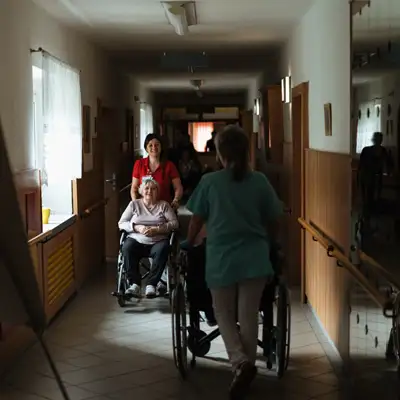

Not setting aside funds for resources, staff, training, supervision, safety infrastructure and additional insurance can create a serious risk for the organization. By expanding without spending, the organization may face increased risk of injury, allegations of misconduct and professional liability. If your organization is performing work that was not reported to the insurer, it could be looking at a denied claim.
Nonprofits frequently rely on volunteers and existing staff to absorb these new responsibilities without adding budget for training, supervision, safety procedures or updated insurance coverage. The result is that organizations can expose themselves to significant liability.
Risk can increase even when expenses do not. More activities, more volunteers and more public interaction create more opportunities for injuries, allegations of misconduct, auto accidents and professional liability claims. A nonprofit risk management guide notes that organizations should reassess their risks whenever they significantly change the types of activities they engage in because new operations can create entirely new liabilities.
Common examples of mission creep
Volunteers taking on higher-risk service roles – Many nonprofits increasingly rely on volunteers to assist with:
- Disaster response,
- Homeless outreach,
- Crisis-response programs, or
- Behavioral health support.
These roles may place volunteers in unpredictable or emotionally charged situations without sufficient training or supervision.
For example, a nonprofit may expand its after-hours crisis outreach program using volunteers but fail to provide adequate safety training, supervision protocols or written procedures. That can create exposure for:
- Volunteer injuries,
- Claims of negligence,
- Allegations of misconduct, or
- Professional liability if untrained volunteers provide advice or intervention beyond their expertise.
In short, organizations should take steps to help ensure workers and volunteers are properly trained whenever they perform activities that affect the well-being of others.
Volunteer drivers – Asking a volunteer to perform additional tasks that require them to drive can put an organization at risk if it does not have commercial auto insurance or has not added the driver to its policy. This can create:
- Commercial auto liability exposure,
- Hired and non-owned auto liability exposure,
- Claims involving inadequate driver screening, and
- Serious bodily injury risks from accidents.
Volunteer drivers using personal vehicles can be problematic if the organization has not informed its insurer about the exposure or lacks appropriate hired and non-owned auto coverage.
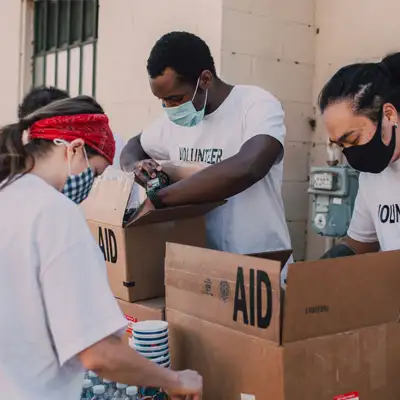
One-day volunteer events – Many organizations hold one-day events where volunteers come out in droves to help with a project. This can include community cleanup days, holiday drives and food-packing events.
The problem is that these activities often scale up quickly with large numbers of volunteers but limited planning and oversight, which can increase the risk of injuries, heat illness and crowd management problems. The more people who show up, the greater the chance of a mishap that may not be covered by the insurance policy.
Working with vulnerable populations – Liability risks can expand quickly when nonprofits begin serving vulnerable populations. The risk of hiring someone who takes advantage of these groups can be financially devastating for a nonprofit. This requires the organization to strengthen its safety protocols to include:
- Background checks,
- Abuse prevention training,
- Written supervision procedures, and
- Careful volunteer screening.
Role creep and unofficial duties – Another common problem occurs when volunteers gradually begin performing tasks that should only be handled by trained or licensed professionals, such as:
- Assisting with medication reminders,
- Offering unlicensed counseling or mental health support,
- Handling confidential records,
- Conducting wellness checks, or
- Providing informal medical guidance.
What begins as “helping out” can quickly evolve into a professional liability exposure if someone alleges harm from inaccurate advice, negligence or failure to follow professional standards. The activity may also fall outside the scope of the nonprofit’s insurance coverage.
Insurance implications
Mission creep can affect nearly every major insurance policy a nonprofit carries.
General liability insurance –This may respond to:
- Bodily injury claims,
- Slip-and-fall accidents,
- Property damage claims, and
- Certain personal injury allegations.
Insurers price and underwrite policies based on the activities disclosed during the application process. If the organization materially changes its operations without informing the carrier, coverage disputes can arise.
Professional liability insurance – Professional liability, or errors and omissions, coverage can become critical when volunteers or staff provide:
- Counseling, Advice,
- Health-related services,
- Crisis intervention, or
- Specialized assistance.
If volunteers begin performing functions outside their training or the scope of disclosed operations, claims may fall into gray areas that insurers dispute.
Commercial auto and hired/non-owned auto coverage – Any nonprofit using volunteers to drive should review:
- Commercial auto coverage,
- Hired and non-owned auto liability coverage,
- Driver screening procedures, and
- Vehicle use policies.
Serious auto accidents can generate catastrophic claims that exceed basic liability limits.
Directors and officers liability – Mission creep can also create governance exposure for board members and leadership if they fail to properly oversee expanded operations, implement controls or disclose new activities to insurers.
Directors and officers liability insurance may become involved if stakeholders allege that leadership failed to exercise proper oversight.
Expanding safely
This nonprofit risk management guide recommends that organizations:
- Regularly reassess risks,
- Train employees and volunteers before taking on new work,
- Document procedures,
- Maintain written safety protocols, and
- Update insurance programs as operations evolve.
Before launching a new service or expanding volunteer responsibilities, nonprofits should call their InterWest Insurance Services broker to determine whether:
- Existing policies still fit the organization’s operations,
- New endorsements or higher limits are needed,
- Volunteers need additional screening or training, and
- Written procedures should be updated.
In the nonprofit world, the desire to help often outpaces available resources. But when organizations expand services without expanding risk management and insurance protection, mission creep can create liabilities that threaten the very mission they are trying to serve.