
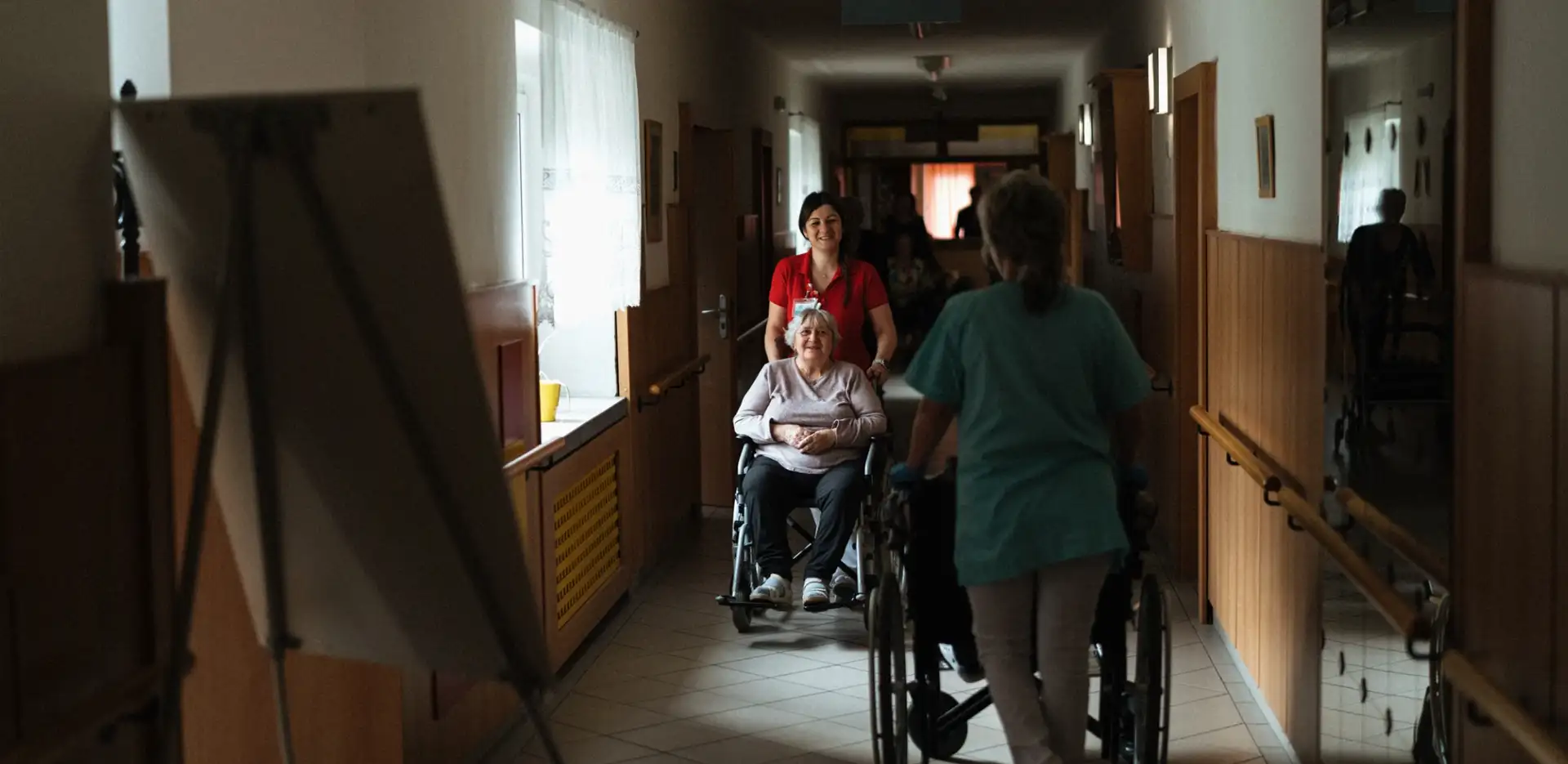
Many residents may have limited mobility, cognitive impairments or medical conditions that make evacuation difficult. Some may depend on wheelchairs, supplemental oxygen or other medical equipment, while others may become confused or distressed when routines are disrupted.
For operators, these challenges make emergency preparedness and evacuation planning essential. However, a plan sitting in a binder is not enough. Staff need to know the plan, understand their responsibilities and rehearse their actions before an emergency occurs.
Start with the risks
Facilities should plan for the emergencies they may reasonably face, from fires and power failures to severe weather and natural disasters. The Centers for Medicare & Medicaid Services requires Medicare- and Medicaid- certified nursing homes to use an “all-hazards” approach that considers emergencies and disasters relevant to their location and operations.
For example, a facility in a flood-prone area should know which conditions would trigger an evacuation and where residents would be taken. Facilities in hurricane or wildfire zones may need to begin evacuations well before conditions deteriorate.
An effective evacuation plan should address:
· Primary and alternate evacuation routes and relocation sites
· Staff responsibilities and a clear chain of command
· Residents who need mobility or medical assistance
· Transportation, including accessible vehicles
· Procedures for tracking every resident throughout the evacuation
· Procedures for moving and storing medical records, medications, equipment and other essential supplies
· Communication with families, emergency responders and other health care providers
· Procedures for determining when the facility is safe for residents to return
CMS guidance specifically calls for safe-evacuation policies that address residents’ care and treatment needs, staff responsibilities, transportation, evacuation destinations and primary and alternate methods of requesting external assistance.
Everyone must know their role
Employees should know:
· Who has authority to order an evacuation,
· Who will assist residents,
· Who will bring medications and records,
· Who will coordinate transportation, and
· Who will account for residents after they reach a safe location.
Backup assignments are also important, and at least one employee familiar with the facility’s emergency response plans should be present during every shift. An emergency may occur overnight, on a weekend or when key managers are away.
Training and drills allow facilities to identify weaknesses before an actual disaster. A drill might reveal that an evacuation route is impractical for wheelchairs, for example, or that employees do not know how to quickly locate an updated resident roster.
CMS identifies training and testing as core elements of emergency preparedness. It also requires facilities covered by its long-term care emergency preparedness rule to review and update their programs annually.
Account for every resident
Knowing where residents are throughout an evacuation is critical. Facilities should have a reliable system for determining who was in the building, who has been evacuated, where each resident was transported and whether anyone remains unaccounted for.
Each resident’s family contact information should accompany them so that staff can provide updates or help residents get in touch with their loved ones.
Planning must extend beyond the evacuation. Residents may need food, medications, medical care and accessible accommodations at temporary locations.
Facilities should establish procedures for inspecting the property after an emergency to ensure it is safe for residents to return, transporting them back safely and conducting wellness checks after their return.
The takeaway
Emergency plans should be treated as living documents, reviewed regularly and updated as resident needs and facility conditions change. Management should make emergency preparedness training part of routine operations.
When a fire, flood, hurricane or other emergency occurs, there may be little time to decide what to do. A well-rehearsed plan can give staff a clear process for evacuating vulnerable residents, accounting for everyone in their care and eventually returning residents to the facility safely.