
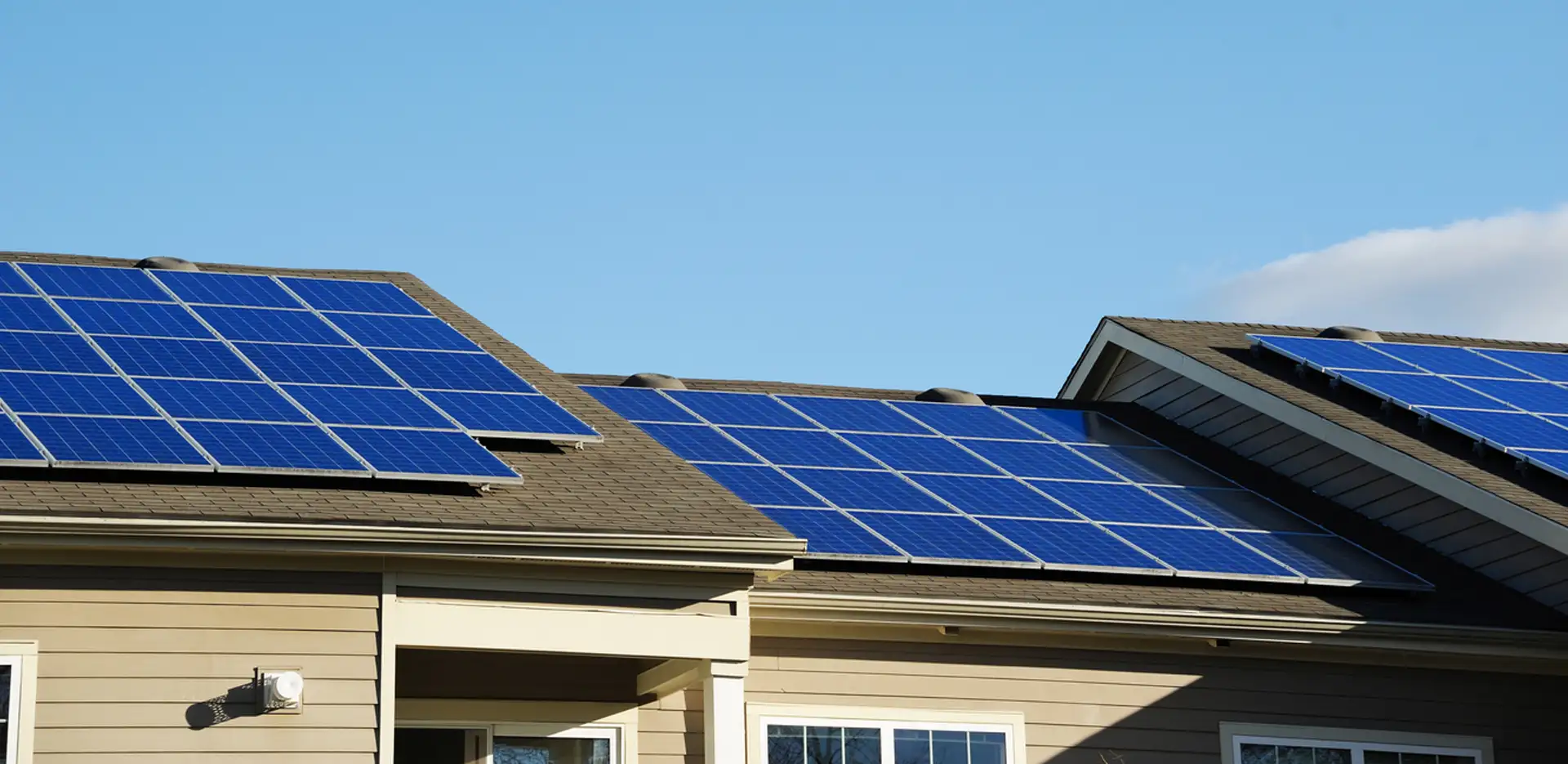
But while rooftop solar systems are generally safe and rarely cause fires, they can create challenges if a fire starts in the home. Fires can be more difficult to extinguish due to access issues, which can increase the damage and overall repair costs.
Fortunately, homeowners considering solar panels can take steps before installation to reduce these risks.
Why solar panels can increase fire severity
When a home catches fire, firefighters rely on proven tactics to quickly access the roof, release heat and smoke and extinguish flames before they spread. Solar panels can interfere with many of these efforts. Dangers include:
- Energized panels. Even after utility power is shut off, solar panels continue generating electricity whenever exposed to sunlight, creating an electrocution hazard.
- Limited roof access. Solar arrays can block areas where firefighters would normally cut ventilation openings.
- Hidden fire conditions. Panels can make it harder to locate hot spots and assess how far the fire has spread.
- Fire spread concerns. Depending on the design of the system and roof assembly, the space beneath some panels may allow heat and flames to travel differently across portions of a roof.
- Additional roof weight. Solar equipment adds weight to the structure, which can affect roof safety during a fire.
- Potential toxic smoke. Burning wiring, panel components and batteries may release hazardous fumes.
As a result, firefighters may need to take a more defensive approach, which can allow a fire to burn longer and increase property damage.
The good news is that properly installed and maintained solar systems are considered relatively safe. Most solar-related fires are linked to electrical problems, damaged wiring, poor workmanship or improper maintenance rather than the panels themselves.
How homeowners can reduce the risks
- Hire reputable, licensed and certified solar installers.
- Verify that the installation complies with local building and electrical codes.
- Install systems that include rapid-shutdown technology.
- Clearly label electrical disconnects and shutoff locations.
- Schedule regular inspections and maintenance.
- Keep leaves, branches and debris from accumulating beneath panels.
- Address damaged wiring or equipment immediately.
- Consider adding smoke or heat detection systems where equipment is installed.
- Keep records of maintenance and inspections.
One of the most valuable steps homeowners can take is to involve the local fire department before installation begins.
Consider contacting your local fire department to determine whether they offer a pre-installation review of your plans. They may provide recommendations on panel placement, roof access and emergency shutoff locations that could make a difference during an emergency.
Some fire departments appreciate having information about the location of solar equipment and disconnect switches so they can respond more effectively if a fire occurs.
The bottom line
While they rarely cause fires, homeowners should understand that solar installations can make firefighting more difficult and may increase the severity and cost of a loss.
By investing in proper installation, maintaining your system and coordinating with local fire officials, you can enjoy the benefits of solar energy while reducing the risks to your family and home.