
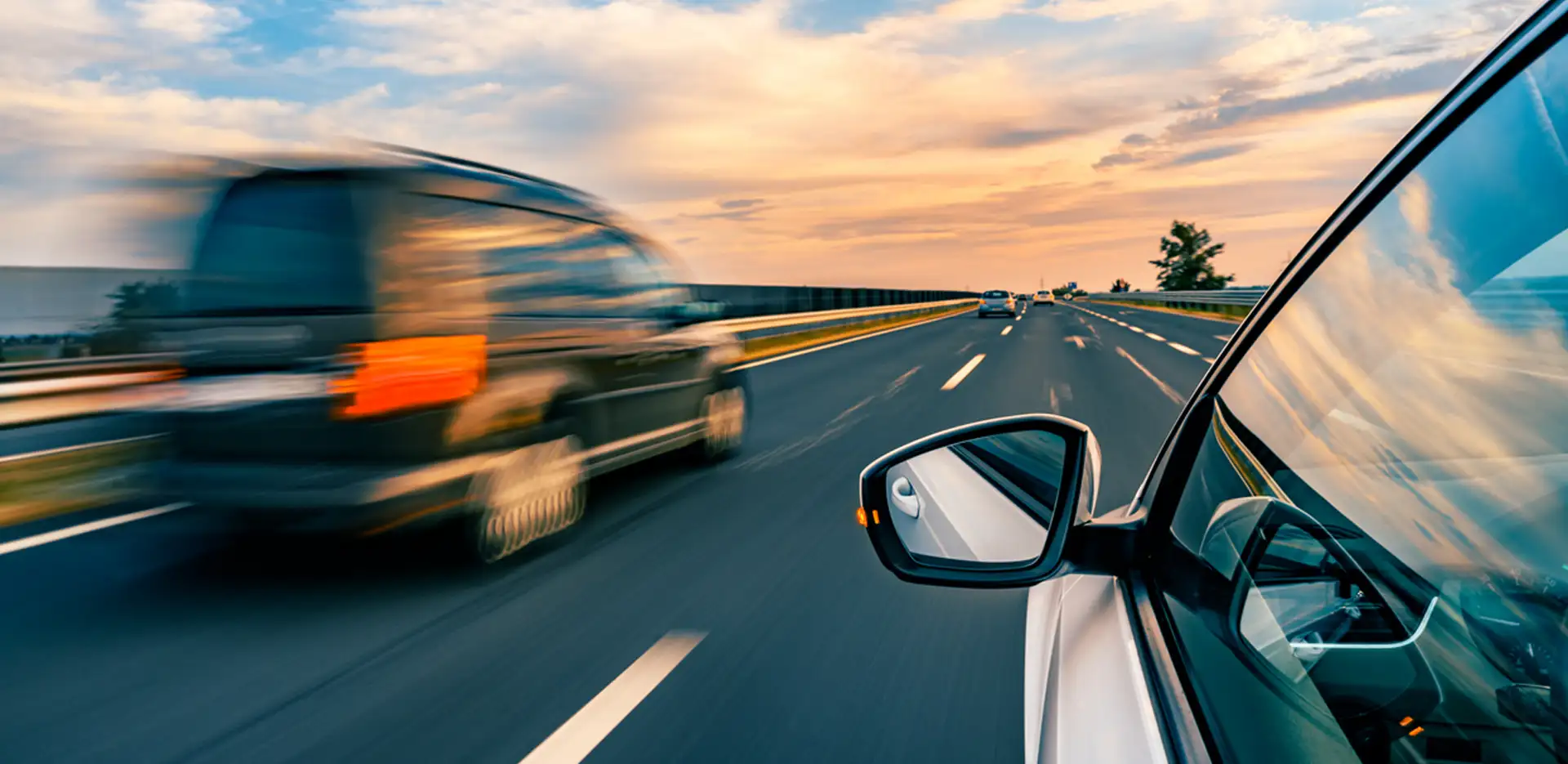
The study found that while most drivers believe posted speed limits are appropriate, many also consider driving 10 mph over the limit acceptable. Nearly half said keeping up with traffic is safer than obeying the posted speed limit, and three in 10 agreed with the statement, “No one actually drives the speed limit.”
Those attitudes can have serious consequences. According to data from the National Highway Traffic Safety Administration cited by AAA, speeding was a factor in nearly 30% of traffic fatalities in 2024.
Why are drivers speeding?
AAA’s research suggests drivers aren’t always speeding simply because they are in a hurry. The most common reasons cited included:
- Getting around slower drivers (31%),
- Reaching a destination faster (25%), and
- Avoiding holding up traffic (21%).
When asked what would convince them to slow down:
- 79% cited avoiding a ticket,
- 72% cited avoiding a crash, and
- 60% cited driving in bad weather.
That first number is worth noting because a speeding ticket can have financial consequences beyond the fine itself.
A moving violation may affect your driving record and result in higher auto insurance premiums, depending on the violation’s severity, your driving history, state insurance rules and your insurer. Multiple violations may have an even greater effect and could prompt your insurer to revoke or decline to renew your coverage.
A speeding-related accident may also affect premiums. If you are found at fault, an insurer may consider the accident when determining future rates.
Manage your speed
One of the most important findings from the study is that drivers may be allowing surrounding traffic to determine their speed. Instead, AAA recommends making speed decisions based on the posted limit and actual driving conditions.
Drivers should consider:
- The posted speed limit: Treat it as the maximum speed under ideal conditions, not a minimum.
- Visibility: Drive at a speed that gives you enough time to react to what you can see ahead.
- Road conditions: Rain, snow, ice and other hazards may require slowing down to a speed well below the posted limit.
- Space around your vehicle: Maintain enough room to react if another driver brakes, changes lanes or makes an unexpected maneuver. Stay at least three seconds behind the car in front of you to allow enough time to stop.
If surrounding traffic is traveling faster, AAA recommends staying in the rightmost lane when appropriate, maintaining a steady and predictable speed, increasing following distance and watching for faster vehicles approaching from behind.
A final word
Speeding may feel routine when other motorists are doing it, but that doesn’t eliminate the safety and financial risks. Slowing down can reduce the likelihood and severity of a crash, help avoid costly tickets, protect your driving record and keep your insurance costs from increasing.